Jiangsu Anbixin Internet of Things Technology Co., Ltd.
What Are the Different Types of Industrial Lifting Doors?

What Are the Different Types of Industrial Lifting Doors?

Table of Content [Hide]

    Industrial lifting doors are designed to move upward (rather than swing open) to save space, protect openings, and support efficient logistics in demanding environments. At Anbixin, we focus on practical, project-oriented industrial door solutions that help B2B buyers balance reliability, safety, and long-term operating cost—especially where frequent opening cycles and tough site conditions are involved.

    Below is a clear, buyer-friendly breakdown of the most common industrial lifting door types, how they work, and where each one tends to perform best.


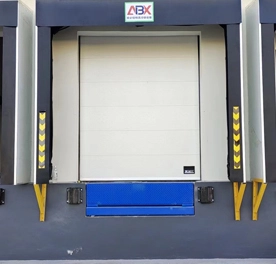
    insulated lifting door

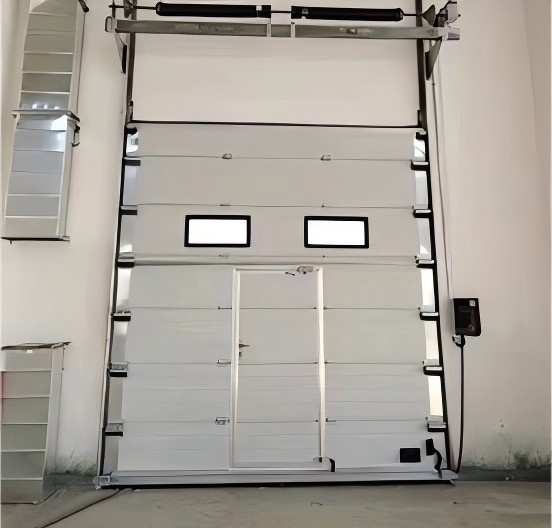
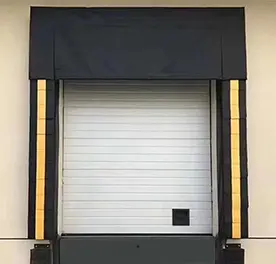
    1) Sectional Overhead Lifting Doors (Panel-Lift Doors)

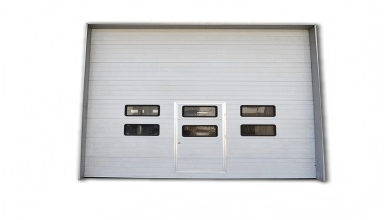
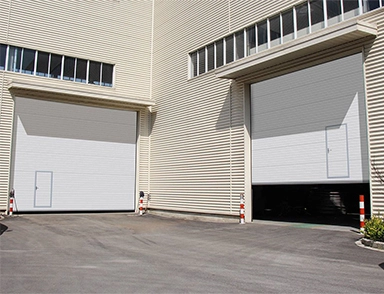
    Sectional overhead doors are made of multiple horizontal panels hinged together. When the door opens, the panels travel upward along side tracks and then run horizontally under the ceiling.

    Key advantages

    • Strong sealing performance for temperature and dust control

    • Good wind resistance and structural stability

    • Easy to size for large openings in factories and warehouses

    Common applications

    • Warehouses and logistics hubs

    • Manufacturing plants

    • Loading bays with frequent forklift traffic

    Selection notes

    Consider panel thickness/insulation needs, track layout (standard lift vs. high lift vs. vertical lift), and the required cycle life based on daily door openings.

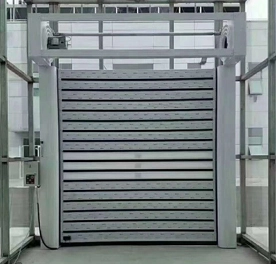
    2) Rolling Shutter / Rolling Steel Lifting Doors

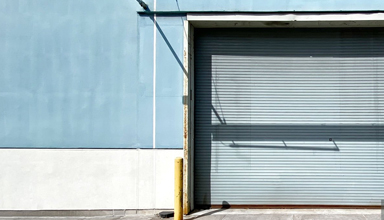
    Rolling lifting doors (often called rolling shutters) are typically formed by interlocking slats that roll into a coil above the opening. They are widely used where durability and security are priorities.

    Best-fit scenarios

    • High-security storage areas

    • Service corridors and industrial units

    • Facilities needing compact headroom usage

    Pros and trade-offs

    • Pros: Strong, space-saving, relatively simple footprint

    • Trade-offs: Typically less insulation than thick-panel sectional designs (depending on configuration), and may be noisier without correct slat/profile choices

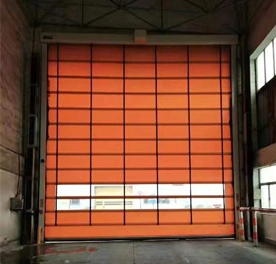
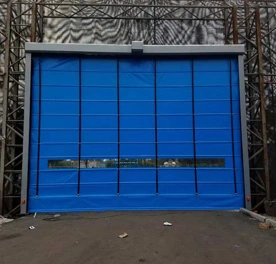
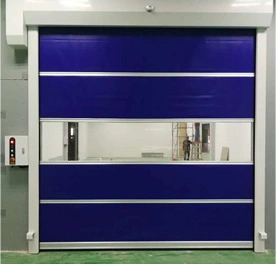
    3) High-Speed Industrial Lifting Doors

    High-speed doors are built for fast open/close cycles to reduce air exchange, stabilize indoor conditions, and improve traffic flow. Many are used in high-frequency passageways.

    Why buyers choose high-speed designs

    • Reduce heat loss and drafts

    • Improve efficiency at busy lanes

    • Help minimize dust/insect entry when paired with good sealing

    Typical use cases

    • Internal plant partitions

    • Cold-room approach corridors (depending on site design)

    • Clean workflow areas where time and airflow control matter

    Practical considerations

    Speed is only one part of performance—also confirm safety features, reliability under frequent cycles, and how the door behaves after power interruption.

    4) Vertical Lift Industrial Doors (Full Vertical Travel)

    Vertical lift doors open straight up and remain near the opening plane, which is useful when ceiling space is limited or when overhead obstructions prevent horizontal tracking.

    Where vertical lift excels

    • Workshops with cranes/ducting near the ceiling

    • Buildings needing clear overhead space for equipment

    • Openings where maximizing interior clearance is critical

    Design checkpoints

    You’ll want accurate site measurements (headroom and side room), plus confirmation of track/guide stability for the door height and expected wind load near the opening.

    5) Counterweight vs. Torsion Spring Lifting Systems (How the Door is Balanced)

    Beyond the door “type,” lifting doors are often categorized by how the weight is balanced:

    Torsion spring balanced systems

    Common in sectional overhead doors, using torsion springs on a shaft to balance the door weight.

    Counterweight balanced systems

    Uses weights to offset the door load; often selected where specific structural or operational preferences apply.

    Buyer takeaway

    Balance design affects maintenance routines, smoothness of operation, and long-term stability—so it’s worth confirming what system fits your cycle frequency and site conditions.

    6) Manual vs. Powered (Motorized) Industrial Lifting Doors

    Most industrial lifting doors can be configured with manual operation or motorized operation.

    Manual operation (lower complexity)

    • Works for low-frequency openings

    • Can reduce upfront equipment needs

    Motorized operation (higher throughput)

    • Essential for frequent cycles and larger doors

    • Supports access control, sensors, and smoother traffic flow

    Safety and compliance note

    For powered doors, ensure the solution includes appropriate safety protection (e.g., anti-drop measures, obstacle detection, emergency release, and clear operation protocols).

    Quick Comparison Table: Which Industrial Lifting Door Fits Which Need?

    Door TypeOpens HowTypical StrengthsTypical ConsiderationsCommon Places
    Sectional overheadUp then under ceilingInsulation, sealing, stabilityNeeds overhead track spaceWarehouses, docks
    Rolling shutter/rolling steelCoils above openingSecurity, compact headroomInsulation varies by designStorage, industrial units
    High-speed lifting doorRapid vertical movementEfficiency, airflow controlMust match cycle life & safety needsBusy lanes, partitions
    Vertical liftMoves straight upMaximizes interior ceiling clearanceHeadroom/side room accuracyPlants with overhead equipment

    Key Factors When Choosing an Industrial Lifting Door (Beyond Type)

    1) Opening size and structural constraints

    Measure width/height, headroom, side room, and any beams/ducting. Track layout and motor placement depend heavily on these details.

    2) Traffic frequency and operational rhythm

    A door used 20 times/day needs very different durability than one used 500+ times/day. Define cycles per day and peak-hour patterns.

    3) Environmental demands

    Think about wind exposure near the opening, dust, humidity, temperature differences, and whether the opening connects conditioned spaces.

    4) Safety requirements on the lane

    Forklifts, pedestrians, and mixed traffic require robust safety logic, clear signaling, and consistent door behavior.

    5) Maintenance strategy and downtime tolerance

    Ask what routine checks are expected, what wear parts exist, and how quickly the door can be serviced without disrupting production.

    Cooperated with Anbixin in Industrial Lifting Doors

    At Anbixin, we’ve found that an “industrial lifting door” is rarely a one-size-fits-all purchase—it’s an operational component that directly affects throughput, safety, and energy stability. Our approach is to start from the site’s real workflow (traffic frequency, equipment paths, and environmental separation goals), then match the door structure and lifting method to reduce long-term friction: fewer stoppages, smoother opening behavior, and more predictable upkeep. When buyers treat the door as part of the facility system—not just a closure—projects tend to deliver better total value over time.

    Common Mistakes B2B Buyers Should Avoid

    Over-prioritizing price over fit

    A door that’s slightly cheaper but mismatched to cycle frequency or environment can raise downtime and maintenance cost quickly.

    Ignoring installation space details

    Track layout, coil space, and motor mounting often fail not because of the door design—but because the site constraints weren’t confirmed early.

    Not defining the real performance target

    “Fast” might mean speed, but it could also mean reduced waiting time through better sensing logic, lane design, and reliable response under heavy traffic.

    FAQs About Industrial Lifting Door Types

    1) How do I estimate the right daily cycle rating for my door?

    Count peak-hour openings and multiply by operating days. Add a buffer for seasonal surges. Choose a system designed for your realistic maximum, not the average.

    2) Can industrial lifting doors be integrated with access control systems?

    Yes. Many facilities connect doors to badge readers, license plate recognition, interlocks, or traffic lights. Plan wiring and control logic early to avoid retrofit complexity.

    3) What’s the most common cause of premature door failure in busy sites?

    Misalignment and neglected wear parts. High-frequency use magnifies small issues. A simple inspection routine often prevents bigger failures and unplanned downtime.

    4) What should I prepare for an accurate quotation request?

    Opening dimensions, headroom/side room, photos or drawings, usage frequency, environment (wind/dust/temperature), and any required safety or control features.


    References
    Related News & Blogs about Anbixin