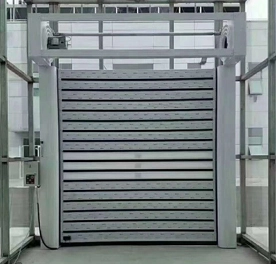
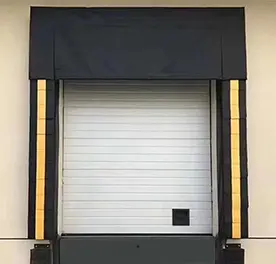
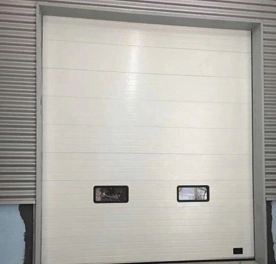
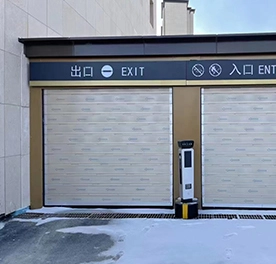
In the world of industrial architecture and modern residential design, the choice of entrance systems plays a pivotal role in operational efficiency, security, and aesthetic appeal. Among the most popular and versatile solutions available today is the overhead door. Often referred to as a lifting door, this mechanism has revolutionized how we manage space and access in warehouses, garages, and storefronts. At Anbixin, we understand that selecting the right overhead door is not just about filling a gap in a wall; it is about investing in a long-term solution that enhances workflow and protects assets.
Definition and Functionality of Overhead Doors
An overhead door is a type of door that opens by lifting upward and resting parallel to the ceiling or rolling into a compact coil above the opening. Unlike traditional swing doors that require a wide radius to open, overhead doors utilize vertical space, making them ideal for environments where floor space is at a premium.
How They Work
The functionality of an overhead door relies on a sophisticated system of tracks, rollers, springs, and cables. When the door is activated—either manually or via an electric motor—the rollers move along metal tracks.
Counterbalance System: Because these doors are often heavy (especially industrial steel versions), they use a counterbalance system, usually involving torsion springs or extension springs. These springs store energy when the door is closed and release it to help lift the door’s weight during opening.
Tracking: The tracks guide the door panels from a vertical position to a horizontal one. In “high-lift” or “vertical-lift” configurations, the door may travel much higher before turning toward the ceiling, which is common in facilities with high rafters.
Drive Mechanism: Most modern overhead doors are paired with automated openers. These operators use a chain, belt, or direct-drive motor to provide the necessary force to initiate movement.
Types of Overhead Doors and Their Uses
Overhead doors are not a one-size-fits-all product. Depending on the specific needs of a facility—such as insulation, speed, or visibility—different designs are employed.
1. Sectional Overhead Doors
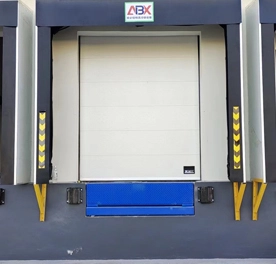
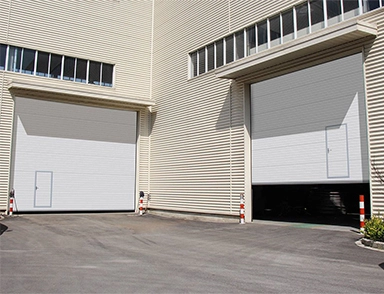
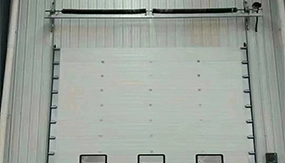
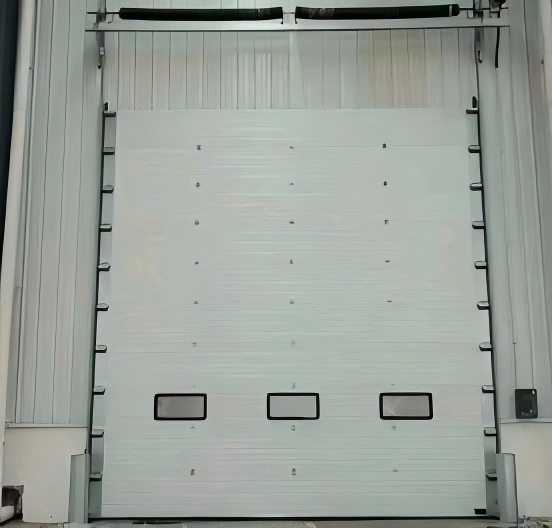
These are the most common type. They consist of several horizontal panels hinged together. As the door opens, the panels fold at the hinges to follow the curve of the track. These are highly customizable and offer excellent thermal insulation when injected with polyurethane foam.
2. Rolling Steel Doors
Often used in high-security environments, rolling steel doors consist of many thin interlocking metal slats. Instead of traveling along tracks onto the ceiling, they roll up into a compact drum located above the door header. This is the ultimate space-saving design.
3. High-Speed Doors
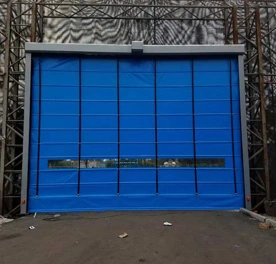
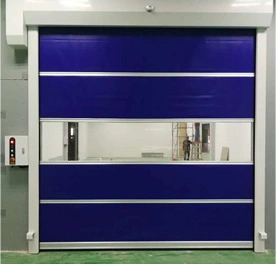
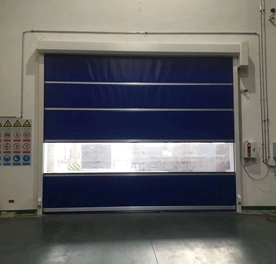
In busy logistics centers, time is money. High-speed overhead doors are designed to open and close at significantly higher velocities than standard doors. This minimizes air exchange, helping to maintain temperature control in cold storage or cleanroom environments.
4. Full-View Aluminum Doors
Common in fire stations, automotive showrooms, and modern restaurants, these doors feature large glass or acrylic panels set in an aluminum frame. They provide maximum natural light and a sleek, industrial aesthetic.
Comparison Table: Overhead Door Types
| Door Type | Primary Material | Space Requirement | Best For |
|---|
| Sectional | Steel / Aluminum / PU | Moderate (Ceiling space) | Warehouses, Residential Garages |
| Rolling Steel | Galvanized Steel | Minimal (Header space) | Security Shutter, Small Warehouses |
| High-Speed | PVC / Fabric / Metal | Moderate | Cold Storage, High-Traffic Loading Docks |
| Full-View | Aluminum & Glass | Moderate | Showrooms, Cafes, Fire Stations |
Benefits of Installing Overhead Doors
Whether you are managing a large-scale manufacturing plant or upgrading a commercial storefront, the advantages of integrating products from Anbixin into your infrastructure are numerous.
Space Optimization: Because the door moves vertically, vehicles and machinery can be parked or operated right up to the door without obstructing its movement.
Enhanced Security: Modern overhead doors are constructed from heavy-duty materials like galvanized steel. When equipped with advanced locking mechanisms and automated sensors, they provide a formidable barrier against unauthorized entry.
Climate Control: High-quality sectional doors offer superior insulation properties. This is crucial for businesses looking to reduce energy costs by maintaining stable internal temperatures, regardless of the weather outside.
Durability and Longevity: Designed for thousands of cycles, these doors are built to withstand heavy daily use. With proper materials like corrosion-resistant coatings, they can endure harsh environmental conditions for decades.
Maintenance Tips for Overhead Doors
To ensure the safety and longevity of an overhead door, a regular maintenance schedule is essential. Neglecting small issues can lead to costly repairs or dangerous mechanical failures.
Lubrication: Moving parts, including rollers, hinges, and tracks, should be lubricated every six months. Use a high-quality silicone or lithium-based spray to prevent friction and rust.
Visual Inspection: Regularly check the cables for fraying and the springs for signs of wear or gaps in the coils. If a spring looks stretched or deformed, it should be replaced by a professional immediately.
Balance Testing: Disconnect the opener and try to lift the door manually. It should move smoothly and stay in place when halfway open. If it slams shut or shoots upward, the spring tension needs adjustment.
Cleaning the Tracks: Dust and debris can build up in the tracks, causing the rollers to slip or the motor to strain. Wipe the inside of the tracks with a damp cloth to ensure a clear path.
Sensor Alignment: For automated doors, ensure the photo-eye safety sensors are aligned and free of obstructions. This prevents the door from closing on objects or people.
Overhead Doors in Commercial vs. Residential Settings
While the basic principle of “lifting” remains the same, there are distinct differences between residential and commercial overhead doors.
Residential Doors:
In a residential setting, the primary focus is often on aesthetics and quiet operation. Homeowners typically choose sectional doors that complement the architecture of their house. These doors are usually lighter and operate on a lower “cycle rating” (the number of times a door can open and close before parts fail), as they are only used a few times a day.
Commercial Doors:
Commercial and industrial doors are built for endurance. In a warehouse or distribution hub, a door might cycle 50 to 100 times a day. Therefore, these doors feature heavier-gauge steel, industrial-grade springs, and high-performance motors. They must also meet stricter safety codes and often include features like fire ratings or wind-load certifications to withstand extreme weather.
From high-speed fabric doors to heavy-duty insulated sectional panels, Anbixin provides a range of lifting door solutions tailored to meet these demanding industrial requirements, ensuring that every entrance is as efficient as the business it serves.
FAQs About Overhead Doors
Q1: What should I do if my overhead door only opens halfway?
This is often caused by a broken torsion spring or an incorrect limit setting on the motor. Check the springs for visible breaks. If the springs are intact, you may need to adjust the “up-limit” travel settings on your door opener.
Q2: Can I paint my steel overhead door to match my building?
Yes, most steel overhead doors can be painted. It is important to clean the surface thoroughly and use a high-quality acrylic latex exterior paint. Avoid oil-based paints as they may not adhere well to the factory coating.
Q3: Are overhead doors effective at blocking outside noise?
Insulated sectional doors are excellent for sound dampening. Doors filled with high-density polyurethane foam provide a significant barrier against street noise and industrial machinery sounds, creating a quieter environment inside the facility or home.
Q4: How do I know if I need a high-lift track instead of a standard track?
A high-lift track is necessary if you have high ceilings and want to maximize the vertical clearance in your room. This allows the door to stay closer to the wall as it rises, leaving more open space for car lifts or tall equipment.
Q5: Is it possible to operate an overhead door during a power outage?
Yes. All automated overhead doors come with a manual release cord (usually with a red handle). Pulling this cord disconnects the door from the motor, allowing you to lift or lower the door by hand until power is restored.