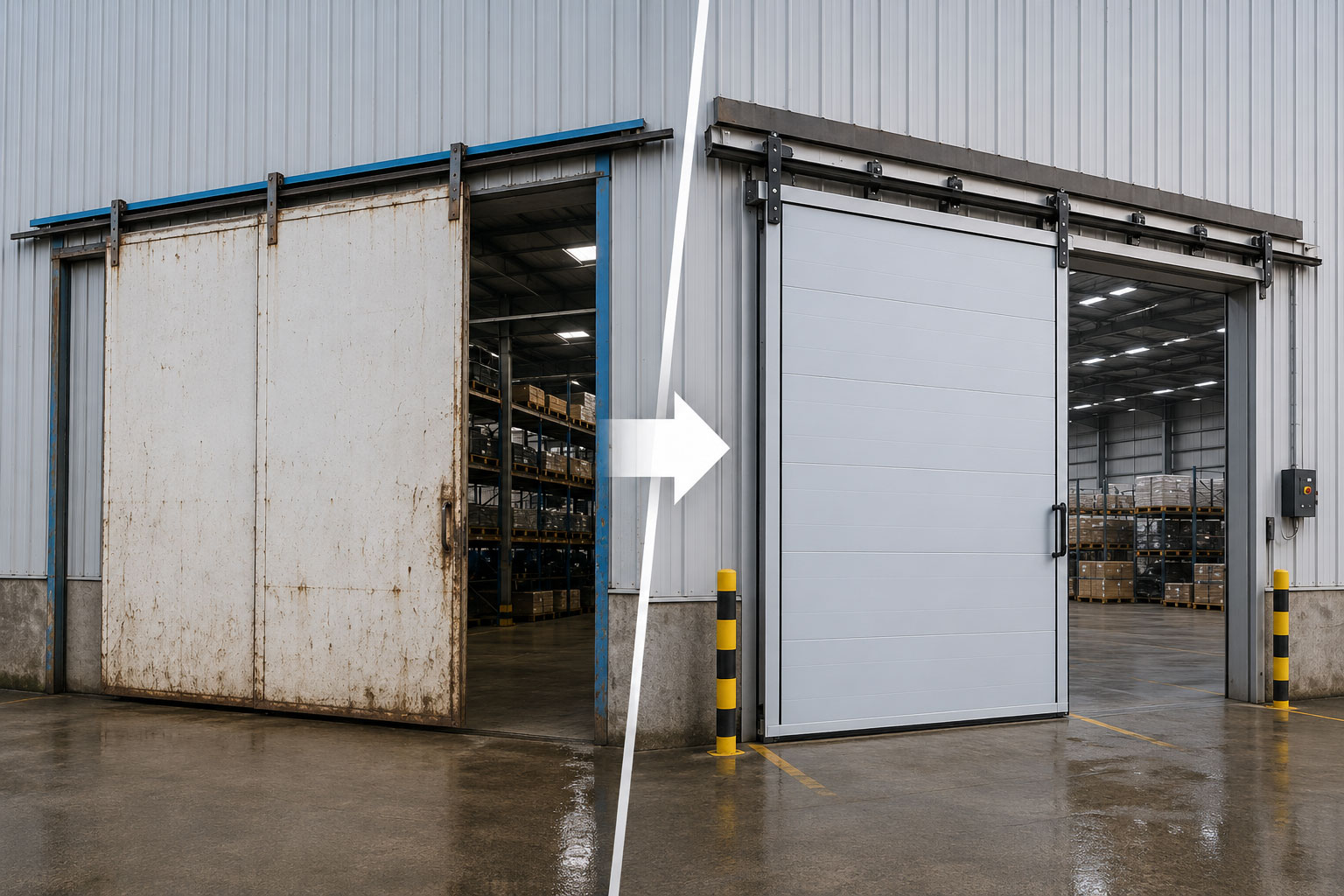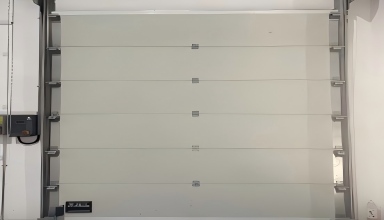
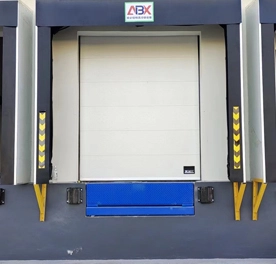
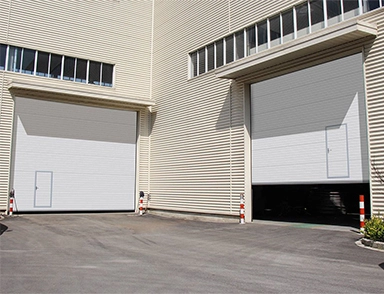
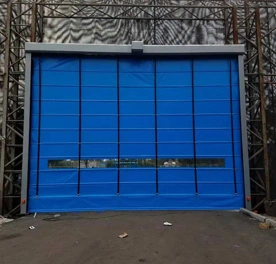
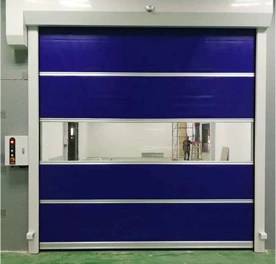
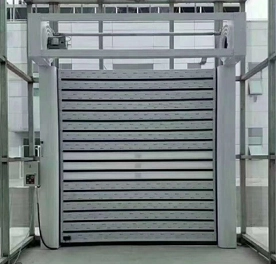
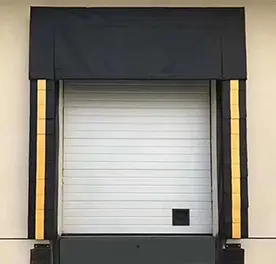
Sliding door replacement is the process of removing an old, damaged or inefficient sliding door system and installing a safer, better-sealed and more suitable industrial door. For warehouses, factories, logistics centers, cold rooms and loading areas, replacement may be needed when the existing door has poor sealing, slow operation, damaged tracks, weak wind resistance or rising maintenance costs.
Anbixin provides industrial doors for commercial and industrial facilities, including vertical lifting doors, insulated sliding doors, segmented lifting doors, steel lifting doors and other customized door systems. Its industrial sliding door products can support large openings up to 30,000 mm width and 12,000 mm height, depending on model and project requirements.
Sliding door replacement is needed when the existing door can no longer provide safe access, reliable sealing, smooth movement or proper environmental control. In industrial buildings, a failing door can affect traffic flow, energy efficiency, security and worker safety.
Common replacement signs include bent panels, noisy movement, broken rollers, damaged tracks, worn seals, unstable operation, poor insulation, frequent motor failure, slow opening, water leakage, air leakage and visible corrosion. If forklifts, pallet trucks or loading operations are delayed because the door opens unreliably, replacement may be more cost-effective than repeated repair.
Safety is also a major reason to replace old doors. UL Solutions explains that UL 325 covers external entrapment protection devices used in door and gate systems, which is relevant when upgrading powered industrial doors with modern safety devices.
Replacement sliding doors are industrial door systems selected according to opening size, available headroom, insulation demand, wind load, traffic frequency and installation space. The right replacement is not always the same as the old door type.
For large warehouse openings, a vertical lifting industrial door can be a practical replacement because it is designed for industrial, warehouse and logistics applications, with maximum opening width up to 30,000 mm, height up to 12,000 mm, operating speed around 0.15 m/s, and wind pressure resistance up to 650 N/㎡.
For temperature-controlled facilities, an insulated vertical lift door may be better because it uses insulated panels to reduce heat transfer and improve indoor climate control. Anbixin’s insulated sliding door specification lists panel thickness from 40–100 mm and operating temperature from -40°C to +50°C, making it suitable for cold storage, warehouses and industrial facilities.
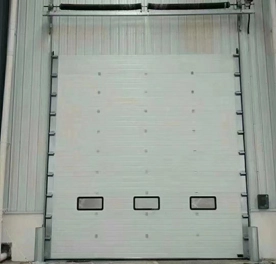
For sectional operation, Anbixin's segmented lifting door is also suitable for industrial and logistics openings where space-saving vertical movement, sealing and durability are required.
Sliding door replacement options should be compared by opening size, insulation, speed, space requirement, safety and maintenance needs. The table below helps facility managers choose the most suitable upgrade path.
| Replacement Option | Best Application | Key Advantage | Buyer Focus |
|---|---|---|---|
| Vertical Lifting Industrial Door | Large factories, warehouses, logistics bays | Handles large openings and saves side space | Opening size, headroom, wind pressure, motor system |
| Insulated Sliding Door | Cold storage, food warehouses, clean facilities | Better thermal control and sealing | Panel thickness, sealing, temperature range |
| Segmented Lifting Door | Industrial sites with limited floor space | Sectional movement and stable operation | Track system, panel strength, safety devices |
| Steel Lifting Door | Heavy-duty industrial entrances | Strong structure and durability | Wind resistance, corrosion protection, impact risk |
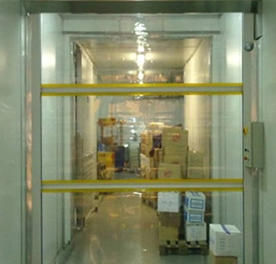
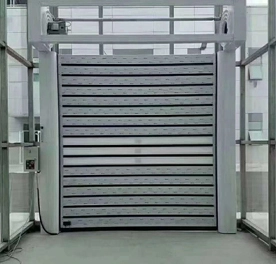
| High-Speed Door | High-frequency internal traffic | Faster access and reduced air exchange | Cycle frequency, safety sensors, maintenance |
| Fire-Rated Roller Shutter | Fire separation zones | Fire protection and emergency control | Fire rating, release system, compliance |
DASMA provides standards for sectional overhead-type doors, rolling steel doors, high performance doors and air leakage testing methods, which makes it a useful reference when comparing industrial door categories and performance terms.
A sliding door replacement project should begin with a site survey, door opening measurement, traffic analysis, safety review and confirmation of the building’s structural conditions. Accurate measurement helps avoid installation delays and prevents ordering a door that cannot fit the opening, track layout or motor position.
Before choosing a replacement door, buyers should confirm the clear opening width and height, side room, headroom, wall structure, floor level, wind exposure, forklift route, traffic frequency, power supply, insulation target and required automation. For loading areas, OSHA's powered industrial truck guidance highlights the importance of loading and unloading safety around trucks, trailers and dock operations, which means door replacement should also consider dock traffic and vehicle movement.
A good supplier should provide product drawings, installation requirements, safety configuration, motor selection, sealing design and after-sales support. Anbixin supports customized industrial sliding door solutions for warehouses, factories and logistics projects, including door size, panel structure, insulation, track configuration and control system selection.

Sliding door replacement is not only a repair decision; it is an opportunity to improve safety, energy efficiency, access speed, sealing and long-term reliability. If an old warehouse or factory door has damaged tracks, poor insulation, unstable movement, frequent faults or weak wind resistance, replacing it with a properly specified industrial door can reduce downtime and improve daily operations.
Anbixin provides vertical lifting industrial doors, insulated sliding doors, segmented lifting doors and other industrial warehouse door systems for replacement and new construction projects. For the best result, buyers should prepare opening dimensions, site photos, traffic requirements, insulation needs, wind load expectations and automation requirements before requesting a replacement solution.
An industrial sliding door should be replaced when it has damaged tracks, worn rollers, poor sealing, unstable movement, corrosion, frequent motor failure or safety risks that make repair unreliable.
Yes. Many industrial sliding doors can be replaced with vertical lifting or sectional lifting doors if the building has enough headroom and suitable structural conditions.
Buyers should provide clear opening width and height, side room, headroom, wall condition, floor level, power supply position and photos of the existing door area.
Yes. An insulated sliding door is worth it for cold storage, food warehouses, temperature-controlled facilities and buildings where heat loss, condensation or sealing performance matters.
The timeline depends on door size, customization, site preparation and installation conditions. Large industrial doors usually require technical confirmation and custom production before installation.
Anbixin provides customized industrial warehouse doors, vertical lifting doors, insulated sliding doors and segmented lifting doors for factories, warehouses and logistics facilities, helping buyers match replacement doors to real site conditions.