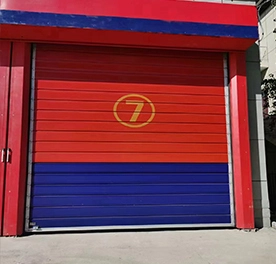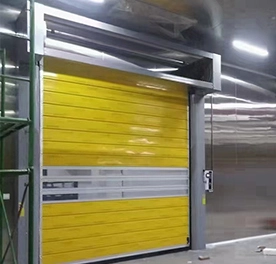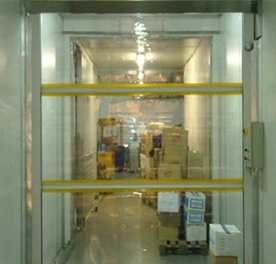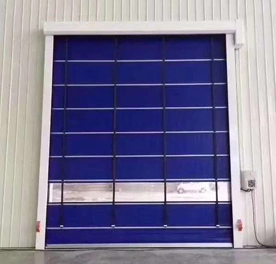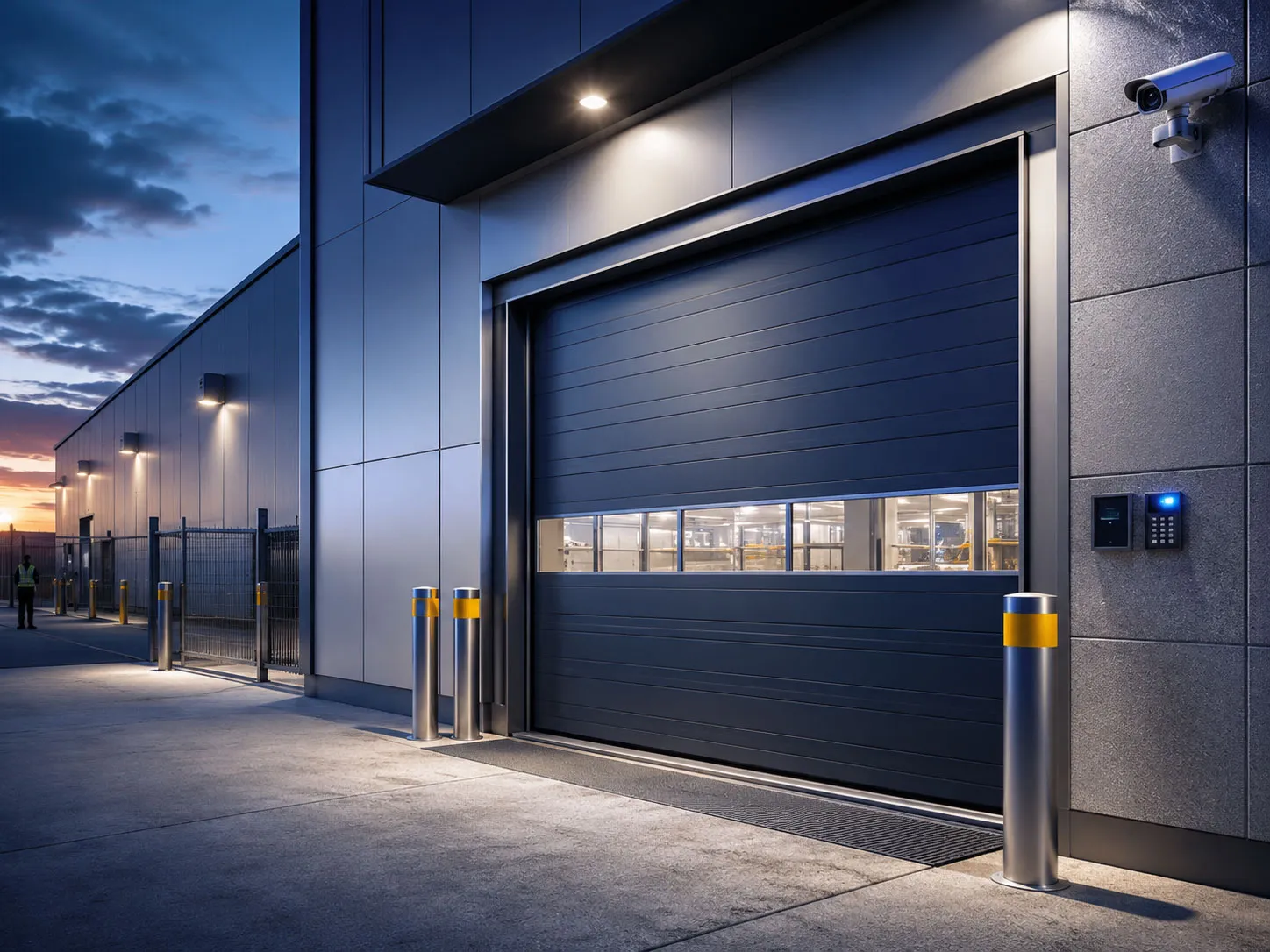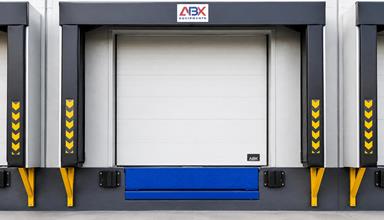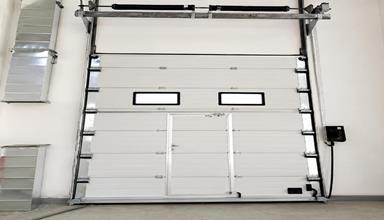
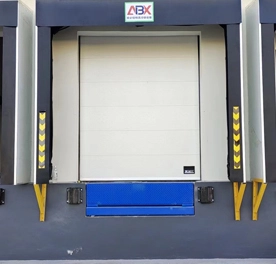
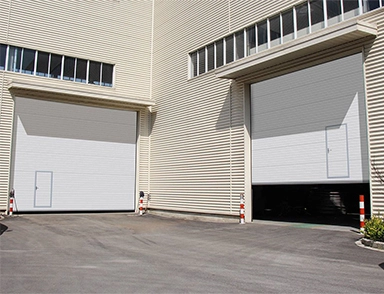
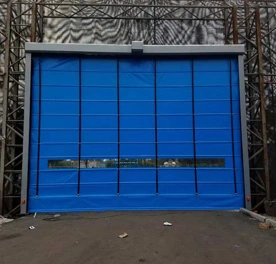
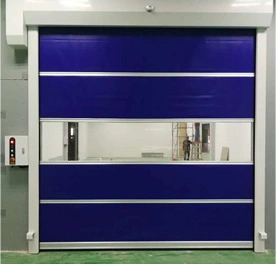
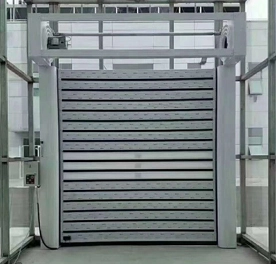
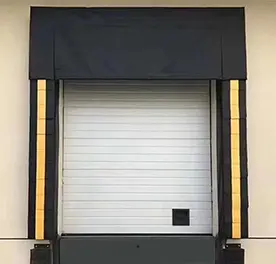
A high-wind industrial door is an engineered entrance system designed to remain stable under a specified project wind pressure and installation condition. Wind performance is not determined by the curtain or panel alone. Opening width and height, guide rails, reinforcement members, fixings, wall structure, internal pressure and the direction of wind load all affect the complete system. For hurricane-prone areas, the project may also require local building-code approval, cyclic-pressure testing, impact testing or certified components. These requirements vary by country and region, so the exact compliance scope must be confirmed before a product is described as hurricane-rated.
Wind-exposed openings create structural, operational and safety challenges that increase as door size and external pressure rise.
Large flexible curtains can deflect or move under positive and negative pressure.
Wide doors place greater loads on guides, fasteners and the supporting wall.
Doors may be difficult to operate safely during severe weather conditions.
Inadequate sealing can allow wind-driven rain, dust and debris to enter.
Frequent operation can conflict with the need for a strong exterior barrier.
Local authorities may require calculations, test reports or product approvals.
Anbixin therefore recommends beginning with the required design pressure and building details rather than selecting a model from opening dimensions alone.
Anbixin selects wind-resistant doors according to opening size, required speed, panel or curtain structure and the project’s verified wind-load criteria.
Recommended Product | Best Fit | Why It Fits |
Wide and tall industrial entrances where flexible fold-up construction is required. | Horizontal reinforcement and project-specific guide structures can be configured around large openings. | |
Medium-sized exterior factory and warehouse bays. | Rigid panel construction and multiple track arrangements support weather-exposed industrial entrances. | |
High-cycle exterior openings that need speed, rigid panels and secure guides. | Rapid operation reduces open time, while metal panels create a stronger physical closure than a flexible curtain. |
The final choice must consider whether the door will be operated during high winds, the maximum permitted opening size and any local certification requirements.
A wind-load review requires project data that links the door opening to the building location, structure and applicable design standard.
Project location and exposure category or terrain condition.
Required positive and negative design pressure.
Applicable building code or engineering standard.
Clear opening width and height.
Wall and supporting steel structure details.
Interior or exterior installation position.
Required operating frequency and opening speed.
Need for impact resistance, cyclic testing or local approval.
Architectural drawings and fixing details, where available.
Wind-resistant door performance depends on coordination between the door supplier, structural engineer, contractor and building designer.
Anbixin can review the proposed door structure and provide product drawings for coordination. The building engineer should confirm that the supporting frame, wall and anchors can transfer the design loads safely. Installation tolerances and fixing methods must also be controlled on site.
For multiple exterior openings, the project team should identify which elevations are most exposed and whether different door configurations or reinforcement levels are required. This avoids applying the most expensive solution to every opening while still protecting critical entrances.
A project-specific high-wind door avoids the risk of relying on a generic rating that may not match the actual opening size or building condition. A smaller rigid spiral door, a medium sectional door and an extra-large fabric fold-up door respond differently under pressure. Anbixin compares the available structures and works from the project data to identify a practical option. The proposal can include the door type, panel or curtain construction, guide system, controls, safety devices and required technical submittals, subject to final engineering confirmation.
Only when the exact model and size have supporting test reports or approvals that match the project requirement. Without that evidence, the safer description is a door for high-wind or hurricane-prone areas.
A reinforced large industrial door may be suitable, but the final selection depends on opening size, wind pressure, building support and operating requirements.
Yes. Loads and deflection generally become more demanding as the opening increases, so a rating for one size should not automatically be applied to a larger door.
Provide project location, design pressure, code requirement, opening dimensions, wall structure, operation frequency, drawings and any testing or approval requirements.
Send Anbixin the project location, required wind pressure, opening dimensions and building drawings. Our team will review suitable large industrial, sectional and spiral door configurations for the exposed entrance.