Jiangsu Anbixin Internet of Things Technology Co., Ltd.
Clean Room

Clean Room

What Is a Clean Room Door?

A clean room door is an industrial access system designed to separate a controlled production space from adjacent rooms while supporting frequent, safe and predictable movement.

Unlike a general warehouse door, a clean room entrance may need to operate many times per shift while maintaining a defined boundary between areas. The door should open only when required, close promptly after traffic passes and minimize gaps around the curtain or panel system.


The correct configuration depends on the required room classification, pressure relationship, cleaning method, material flow and whether the opening is used by personnel, carts, pallet trucks or forklifts. Anbixin therefore treats the clean room door as part of the facility access and control plan rather than as a standalone barrier.


Common Clean Room Access Challenges

Clean room access challenges usually involve balancing environmental separation, frequent traffic, cleanable construction and operational safety.

  • Long opening times that increase air exchange between controlled and uncontrolled zones.

  • Door frames, seams or exposed components that are difficult to wipe down or inspect.

  • Manual contact with switches or handles in areas that prefer touchless activation.

  • Pressure differences that affect curtain stability or closing performance.

  • Mixed pedestrian and material traffic requiring visibility and reliable safety detection.

  • Door downtime that interrupts production flow or creates an uncontrolled opening.

The solution should reflect the actual operating procedure. A personnel transfer corridor may need different activation and safety settings from a high-frequency materials airlock or a larger equipment entrance.


Recommended Anbixin Clean Room Doors

Anbixin recommends clean room doors according to traffic frequency, required physical separation, opening size and the project’s cleaning and pressure-control requirements.

Recommended Product

Best Fit

Why It Fits

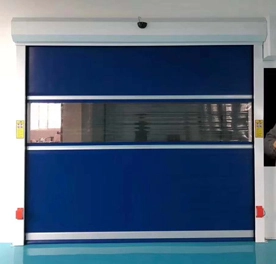
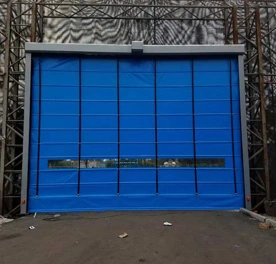
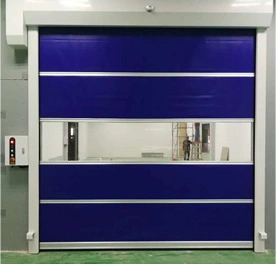
High-Speed Fabric Doors

Frequently used internal openings for personnel, carts and light material handling.

Fast cycles reduce exposure time, while a flexible curtain supports compact installation and configurable activation.

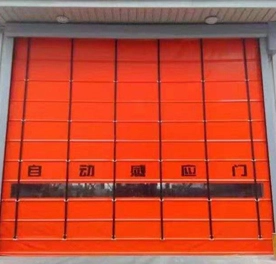
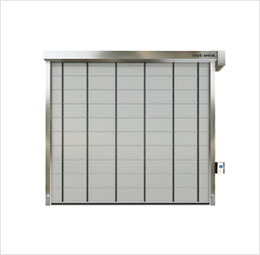
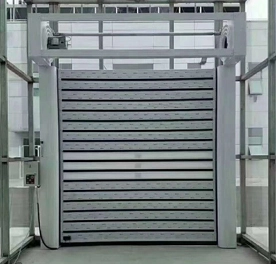
High-Speed Spiral Doors

Controlled entrances requiring rigid panels, stronger physical separation or restricted access.

Rigid insulated panels combine rapid operation with a more substantial security barrier.

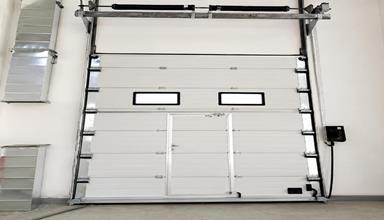
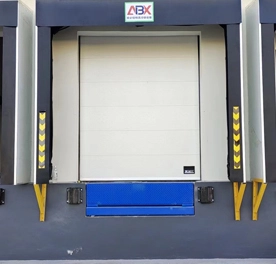
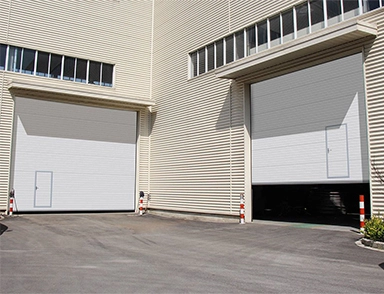
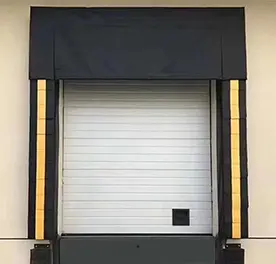
Industrial Sectional Doors

Larger equipment openings or lower-cycle access points.

Panel construction provides insulation and multiple lift arrangements where speed is not the only priority.


For most frequently used internal clean room passages, a high-speed fabric door is the starting point. Spiral or sectional doors should be considered when a rigid barrier, higher security level or larger equipment opening is required.


Clean Room Door Configuration Options

Clean room door configuration should be based on the room boundary, traffic method, pressure condition and cleaning procedure.

  • Touchless radar, pull-cord, remote, push-button or access-controlled activation.

  • Photoelectric sensors, safety edges and emergency stop controls.

  • Vision panels positioned for pedestrian and vehicle visibility.

  • Curtain, frame and surface options selected for the facility’s cleaning process.

  • Perimeter sealing arrangements appropriate to the opening and pressure conditions.

  • Interlocking logic where two doors must not remain open at the same time.

  •  Automatic closing delay adjusted to the real traffic speed through the opening.

  • Control interfaces for building access or production-area management systems, subject to compatibility confirmation.


How to Specify a Clean Room Door

A clean room door specification should state the opening conditions and operating requirements clearly enough for the supplier to select the structure and controls.

  1. Provide the clear opening width and height, wall construction, headroom and side clearance.

  2. Describe the rooms on both sides of the opening and any pressure difference between them.

  3. State who or what passes through the door and the estimated number of cycles per day.

  4. Explain the cleaning method and any preferred frame or curtain surface.

  5. Confirm the activation method, required access control and interlock sequence.

  6. List safety, visibility, electrical and documentation requirements for the destination market.

Anbixin can use this information to compare a fabric, spiral or sectional configuration and identify any additional technical details required before production.


Why Work with Anbixin on Controlled-Area Entrances?

Anbixin supports controlled-area door projects through application review, custom sizing, control-system configuration and coordinated production.

Rather than recommending the same door for every controlled space, Anbixin evaluates how the opening is used and which performance factors matter most. The project team can coordinate door size, curtain or panel structure, frame configuration, activation method and safety devices in one proposal.

For multi-opening projects, Anbixin can also help create a door schedule so personnel entrances, material passages and larger equipment bays use suitable but visually and operationally consistent solutions.


FAQ

Which Anbixin door is normally recommended for a clean room?

A high-speed fabric door is usually the first option for frequent internal traffic. A spiral or sectional door may be more suitable when the project requires a rigid panel, higher security or a larger equipment entrance.


Can a clean room door use touchless activation?

Yes, depending on the selected control system. Radar sensors, pull cords, remote controls, access devices and other activation methods can be evaluated during project configuration.


Can Anbixin guarantee a specific clean room classification?

A classification or regulatory claim should only be made when the exact door configuration and supporting documentation have been reviewed against the project requirements.


What information should be sent with an inquiry?

Provide opening dimensions, room conditions on both sides, pressure difference, traffic type, daily cycles, cleaning method, control sequence and destination country.


Get To Know More About Anbixin
Welcome to contact us to know more about industrial doors.
-->