
Jiangsu Anbixin Internet of Things Technology Co., Ltd.
Loading Dock

Loading Dock

What Is a Loading Dock Door Solution?

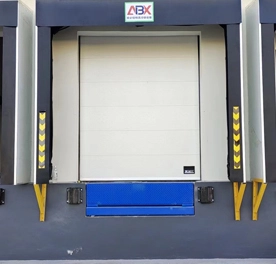
A loading dock door solution combines the building closure with equipment used to bridge, lift or support goods during vehicle loading and unloading.

The door protects the building opening, while the dock equipment manages the physical transfer between the facility and the vehicle. If these components are selected separately without checking dimensions and operating sequences, the loading bay may suffer from restricted clearance, poor sealing or incompatible equipment positions.

Anbixin can review the door opening, dock height, vehicle range, forklift loads and pit conditions as one loading-area application.


Common Loading Dock Challenges

Loading dock challenges arise from vehicle variation, floor-height differences, frequent operation, impact risk and the need to keep the bay available.

· Different truck-bed heights creating unsafe or inefficient forklift transitions.

· A slow or unreliable door reducing the availability of a loading position.

· Damage to door panels, guides or equipment from vehicles and forklifts.

· Open bays allowing heat, cold, rain, dust or pests into the warehouse.

· Insufficient clearance between the door, dock leveler and vehicle.

· Equipment capacity that does not match the combined forklift and load weight.

The loading-bay layout should be checked before pit construction or final door production whenever possible.


Recommended Anbixin Loading Dock Doors and Equipment

Anbixin loading dock solutions combine the appropriate door closure with a dock leveler, lift or platform selected for vehicle and load conditions.

Recommended Product

Best Fit

Why It Fits

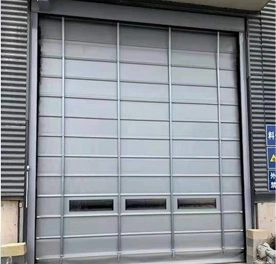
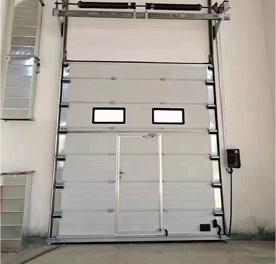
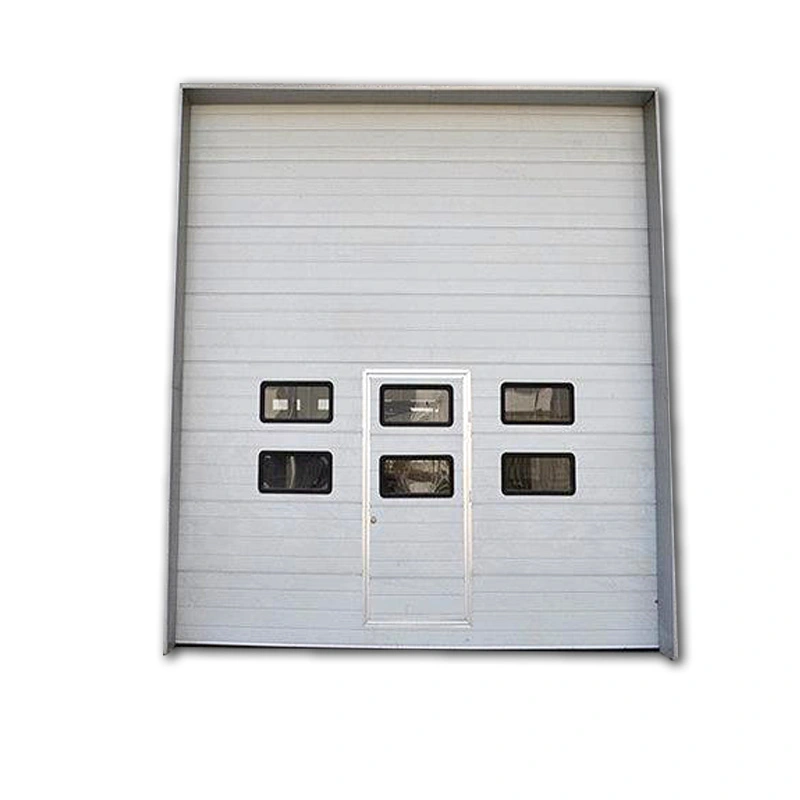
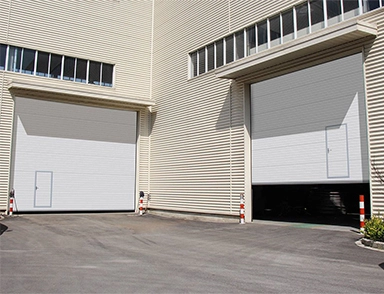
Industrial Sectional Doors

Standard insulated warehouse loading bays.

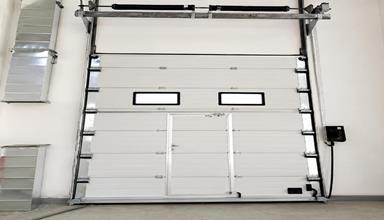
Rigid panels and suitable lift tracks create a dependable exterior closure above the dock position.

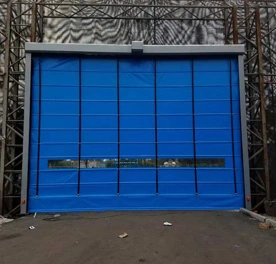
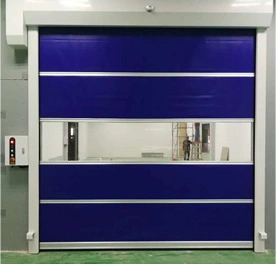
High-Speed Fabric Doors

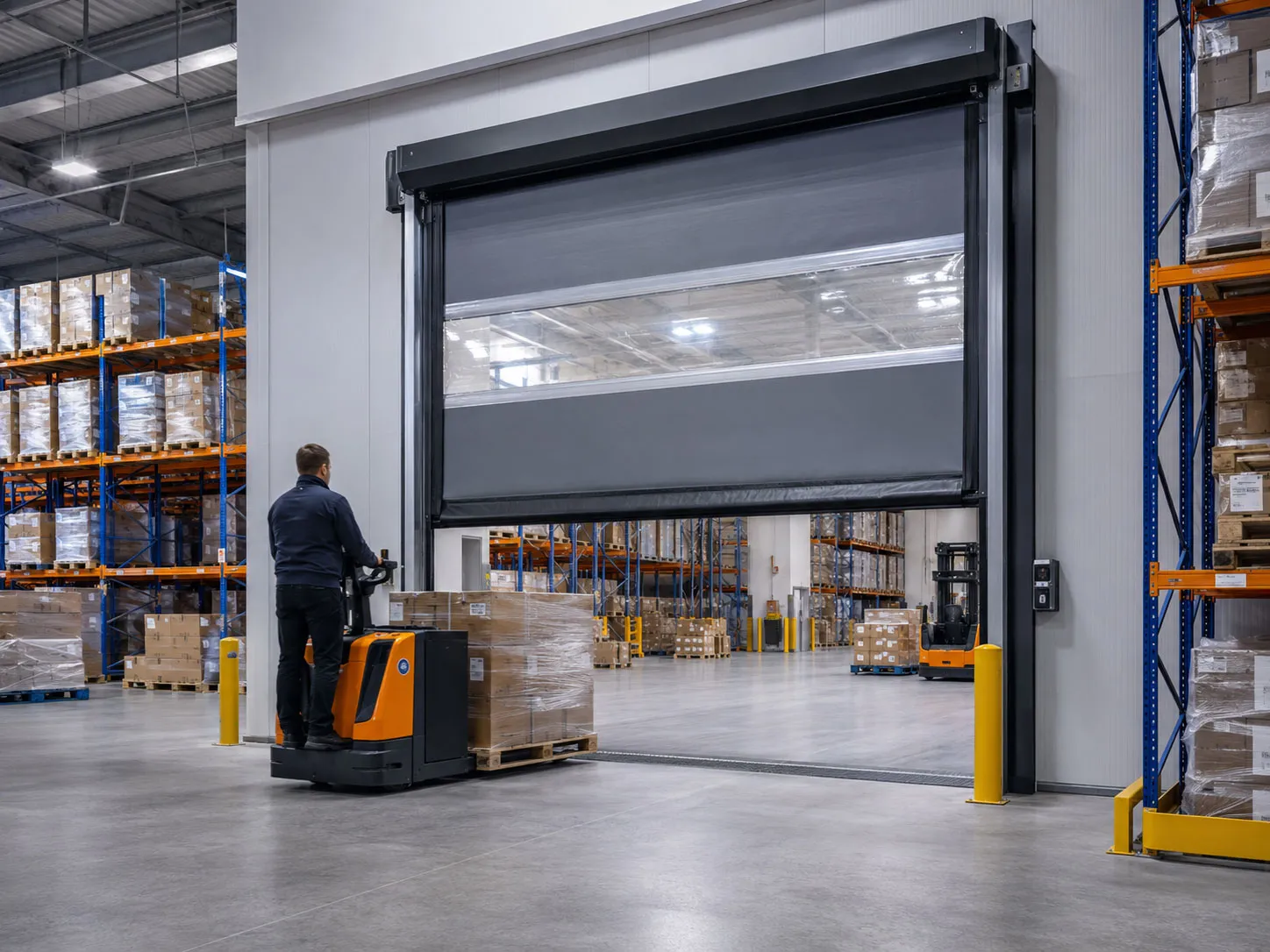
High-traffic loading areas and internal dock separation.

Fast operation reduces waiting and shortens the period the loading area remains open.

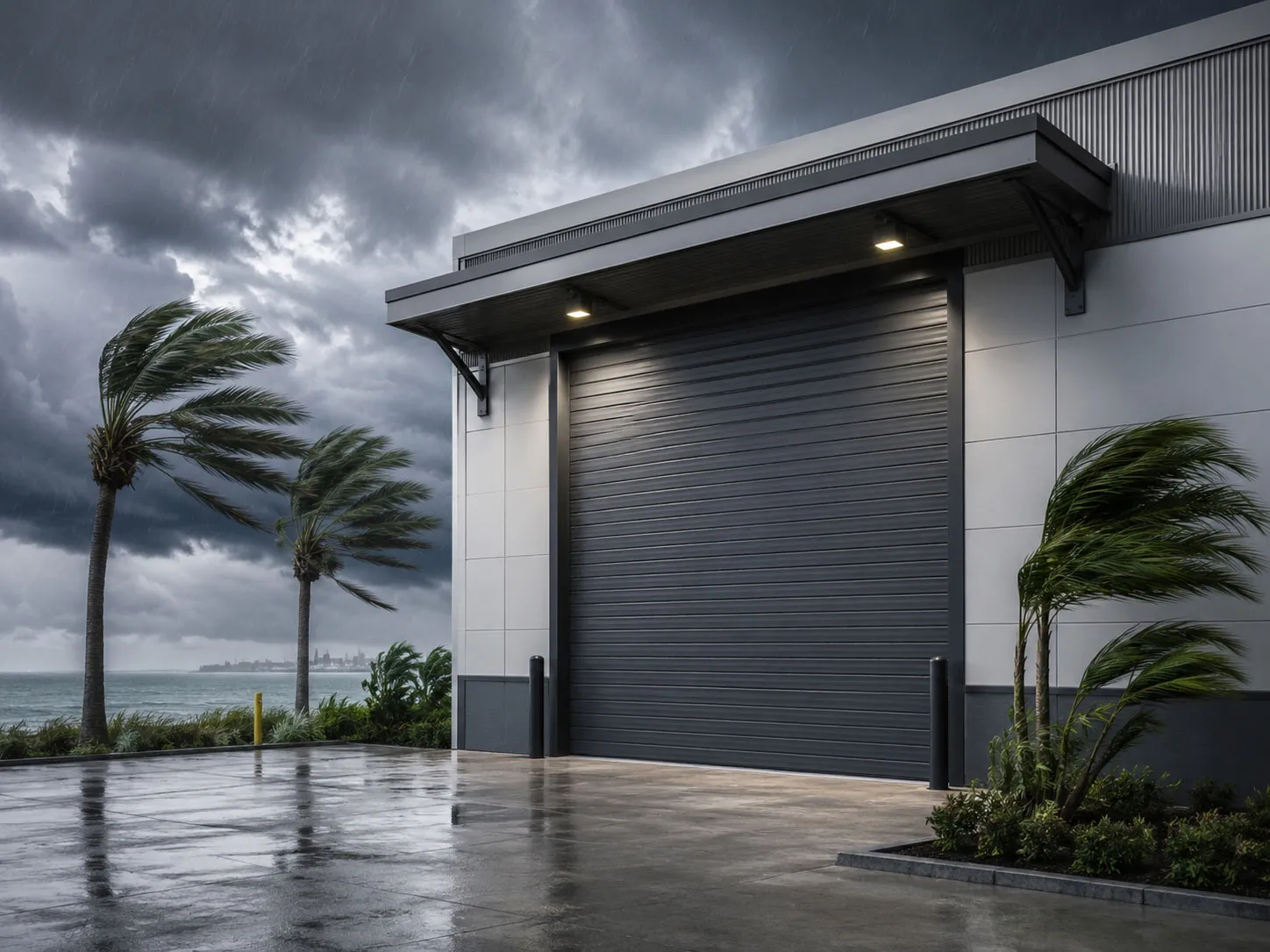
High-Speed Spiral Doors

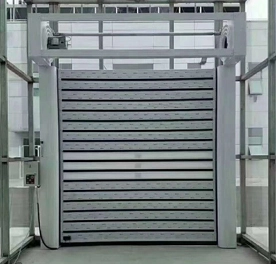
Busy exterior docks requiring speed, security and rigid insulated panels.

Provides rapid access with a strong physical closure for high-value logistics operations.

Loading Dock Equipment

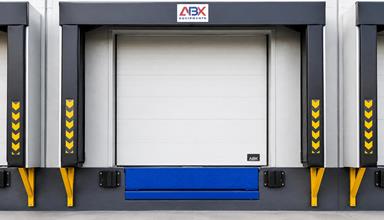
Bridging or lifting between the warehouse floor and vehicle.

Dock levelers suit conventional loading bays, while dock lifts address larger vertical differences or non-standard layouts.


Dock Leveler or Dock Lift: Which Is Required?

A dock leveler bridges a limited height and distance difference at a raised loading dock, while a dock lift moves goods vertically over a larger range.

Equipment

Suitable Situation

Key Data Required

Dock Leveler

Raised dock serving vehicles with varying bed heights

Pit size, dock height, vehicle range, rated load and lip requirement

Dock Lift

Ground-level or non-standard loading where larger vertical travel is needed

Lift height, platform size, load, travel frequency and guarding

Fixed Loading Ramp / Platform

Permanent transition with defined geometry

Slope, length, width, load and vehicle arrangement


The final terminology should match the actual Anbixin product structure. “Fixed unloading platform” should not be used interchangeably with a dock leveler unless the equipment performs the same function.


Information Needed for Loading Dock Planning

Loading dock planning requires vehicle, building, equipment and traffic data so the door and transfer system can operate without interference.

· Warehouse floor and dock height.

· Vehicle bed-height range and vehicle types.

· Door opening width and height.

· Forklift weight plus maximum goods load.

· Required rated capacity and operating frequency.

· Existing or proposed pit dimensions.

· Interior temperature and sealing requirements.

· Power supply and control position.

· Need for dock seals, shelters, bumpers, lights or restraints supplied by others.

· Architectural and structural drawings.

Providing this information early allows Anbixin to identify dimensional conflicts before equipment is manufactured.


Coordinate Door, Equipment and Site Safety

A coordinated loading dock design aligns the door opening, dock equipment, vehicle position, traffic control and safety procedures.

The door should not close onto a raised leveler or moving load. Operators need clear visibility and controls positioned away from pinch or traffic hazards. Rated capacity must include the forklift, operator and goods, not just the cargo.

Local requirements for guarding, fall protection, vehicle restraint and pit construction should be reviewed by the project engineer. Anbixin can provide product information for coordination, while the final site design remains subject to local approval.


Frequently Asked Questions

What is the difference between loading dock doors and loading dock equipment?

The door closes and protects the building opening. Dock equipment, such as a leveler or lift, helps transfer goods between the facility floor and the vehicle.


When should a dock lift be used instead of a dock leveler?

A dock lift is useful where goods must move through a larger vertical range or where the facility does not have a conventional raised loading dock.


What capacity should a dock leveler have?

Capacity should be selected using the combined forklift, operator and maximum goods load, together with dynamic loading and the project’s safety requirements.


Can Anbixin plan the door and dock equipment together?

Yes. Provide the dock drawing, vehicle range, opening size, pit dimensions and loading data so the components can be reviewed as one application.


Plan the Loading Bay Before Equipment Production

Send Anbixin your dock height, vehicle range, door opening, pit dimensions and load requirements. We will help compare door, dock leveler and dock lift options for the loading position.


Get To Know More About Anbixin
Welcome to contact us to know more about industrial doors.
-->